
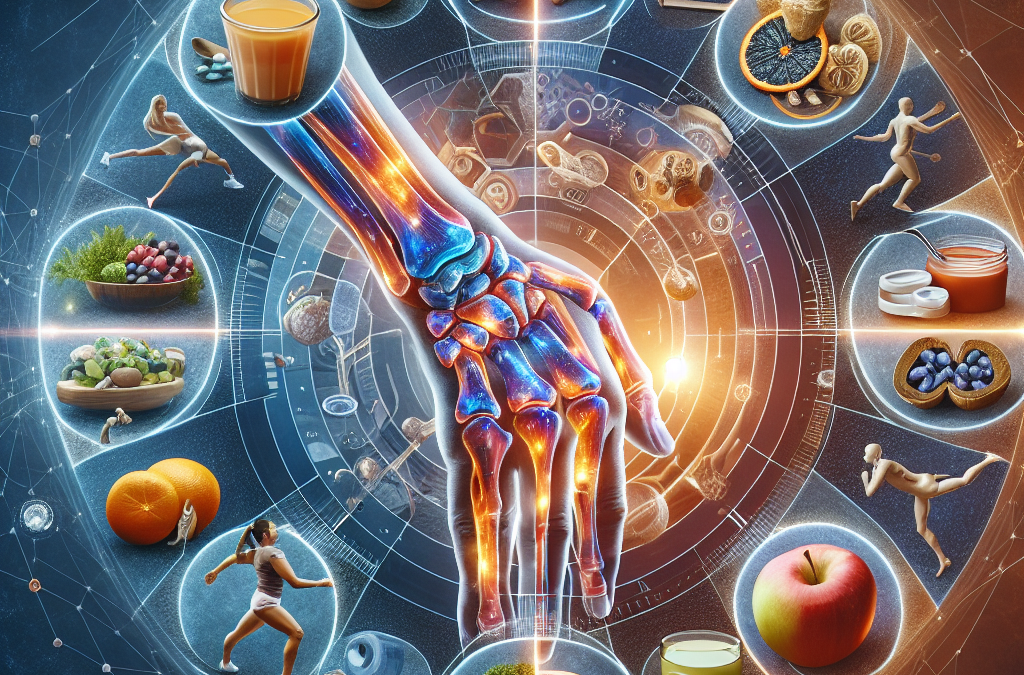
Joint pain can dramatically alter the way you move, affecting not only your physical capabilities but also your daily life and overall well-being. When pain occurs in the joints, it often leads to stiffness, swelling, and reduced range of motion, which can make simple tasks like walking, climbing stairs, or even sitting uncomfortable. This limitation can create a cycle where fear of pain discourages movement, leading to further deterioration of joint health and mobility.
The stakes are high when it comes to joint pain and mobility. Many people incorrectly assume that pain is just a normal part of aging or that it will resolve on its own without intervention. This leads to delays in seeking treatment and adopting lifestyle changes that could alleviate discomfort. Furthermore, ignoring pain can result in compensatory movement patterns that place additional strain on other joints and muscles, potentially causing more significant issues down the line. Understanding the dynamics of joint pain and its impact on mobility is crucial for making informed decisions about your health.
The Biomechanics of Joint Pain
Understanding the biomechanics behind joint pain is essential for grasping how it affects mobility. Joints are designed to facilitate movement, but pain can alter normal biomechanics. When pain arises, the body instinctively compensates by changing movement patterns, which can lead to increased stress on surrounding muscles and joints. For example, if your knee hurts, you might unconsciously favor one leg over the other, leading to uneven wear on your hips and lower back.
This compensatory behavior can worsen the original issue and create new problems, making it crucial to address the underlying causes of joint pain. Strategies that focus on restoring proper biomechanics—such as physical therapy, targeted exercises, and ergonomic adjustments in daily activities—are vital for improving mobility and preventing further deterioration.
Common Mistakes in Managing Joint Pain
Many individuals fall into the trap of relying solely on pain medication to manage joint pain. While pain relievers can provide temporary relief, they do not address the root causes or prevent further joint damage. Additionally, some people may avoid physical activity altogether, believing it will exacerbate their pain. This misconception can lead to muscle atrophy and further joint stiffness, ultimately decreasing mobility.
Another common mistake is neglecting the importance of weight management. Extra weight places additional stress on weight-bearing joints, such as the knees and hips. A balanced approach that includes dietary changes, regular low-impact exercise, and strength training can significantly improve joint health and mobility. By avoiding these pitfalls, individuals can take proactive steps toward managing their joint pain effectively.
Effective Strategies for Maintaining Mobility
To combat the effects of joint pain on mobility, it is essential to implement a holistic approach that includes physical activity, nutrition, and lifestyle changes. Low-impact exercises such as swimming, cycling, and yoga can help maintain flexibility and strength without putting undue stress on the joints. Incorporating strength training to build muscle around the joints can also provide added support and stability.
The Best Joint Support (Naturally) Starts with Organic Nutritional Support!
Get 40% Off Here ...

Nutrition plays a critical role in managing joint pain as well. Anti-inflammatory foods, such as fatty fish, nuts, and leafy greens, can help reduce inflammation and promote joint health. Staying hydrated is also essential, as joint lubrication depends on adequate fluid intake. Additionally, consulting with healthcare professionals for personalized strategies can lead to more effective management of joint pain and improved mobility.
Further Reading
Authoritative Sources
- Arthritis Foundation
example.comA trusted resource for understanding joint health and pain management strategies
- National Institute of Arthritis and Musculoskeletal and Skin Diseases
example.comOffers comprehensive information on joint diseases and effective treatments
- Cleveland Clinic
example.comProvides insights into joint pain causes and management techniques
Frequently Asked Questions
What are the common causes of joint pain?
Common causes include arthritis, injuries, overuse, and inflammation due to conditions like bursitis or tendinitis.
How can I improve my mobility with joint pain?
Engaging in low-impact exercises, maintaining a healthy weight, and following a balanced diet can significantly enhance mobility.
Is surgery necessary for joint pain?
Surgery is typically considered a last resort after conservative treatments have failed, depending on the severity of the condition.
Can diet affect joint pain?
Yes, certain foods can either exacerbate or alleviate inflammation, impacting joint pain levels.
What role does physical therapy play in managing joint pain?
Physical therapy can help improve strength, flexibility, and mobility while teaching proper movement techniques to reduce pain.
Conclusion
Managing joint pain effectively is crucial for maintaining mobility and overall quality of life. By understanding the biomechanics of joint pain and avoiding common management mistakes, individuals can adopt a proactive approach to their health. Implementing effective strategies such as low-impact exercise, proper nutrition, and professional guidance can significantly enhance mobility. Prioritizing these aspects will not only alleviate pain but also empower individuals to lead more active and fulfilling lives.
Related Content
- Top Supplements for Joint Cartilage Repair and Maintenance
- How to reduce stiffness in joints fast
- Glucosamine for Joints in Jere Baxter Tennessee
- Mastering Longevity: Proven Strategies on How to Improve Joint Health Long Term
- Essential Tips for How to Maintain Joint Health Long Term: Your Comprehensive Guide

