
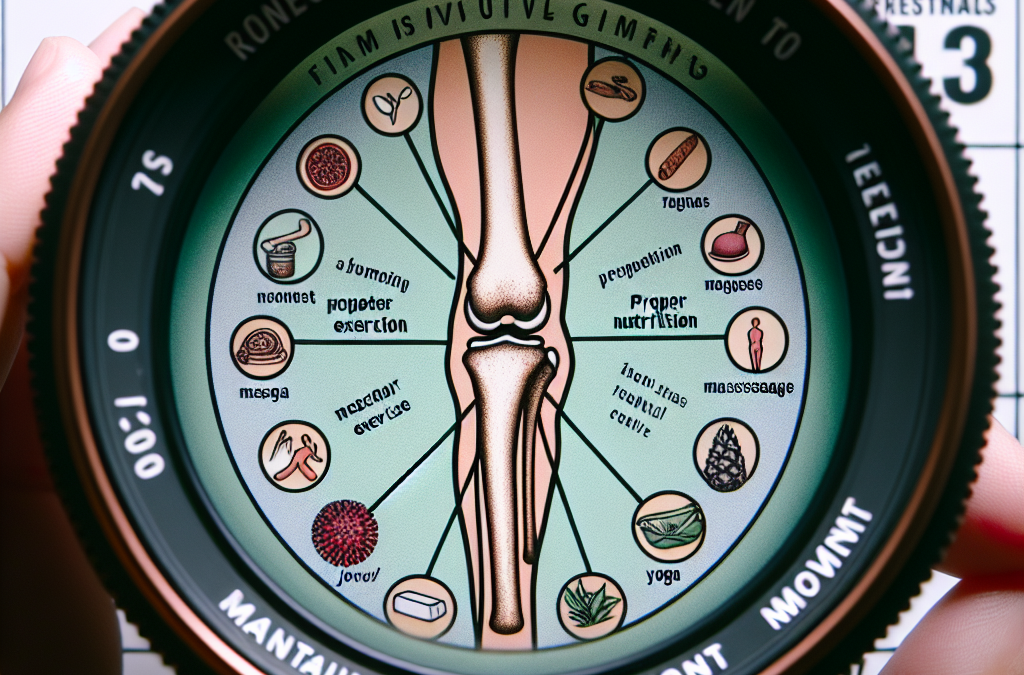
Joint pain is increasingly prevalent, primarily driven by factors such as aging, obesity, and sedentary lifestyles. As populations age, the likelihood of developing conditions like osteoarthritis and rheumatoid arthritis rises, contributing to a higher incidence of joint issues. Furthermore, the modern lifestyle, often characterized by prolonged sitting and lack of physical activity, exacerbates joint wear and tear, leading to discomfort and reduced mobility.
It is crucial to recognize that as people live longer, they are more likely to experience joint-related problems. In addition, obesity places excess stress on weight-bearing joints, which accelerates degenerative changes. Therefore, addressing these risk factors is vital for maintaining joint health and preventing pain.
Impact of Aging on Joint Health
The natural aging process significantly impacts joint health, leading to conditions like osteoarthritis. As cartilage wears down over time, joints become stiffer and more painful, which can limit mobility and overall quality of life. This deterioration is often accelerated by factors such as previous injuries or repetitive stress on the joints.
To combat these effects, individuals should prioritize regular low-impact exercise, such as swimming or cycling, which can help maintain joint flexibility and strength without adding undue stress. Additionally, incorporating strength training can support the muscles around the joints, providing greater stability and reducing pain.
The Obesity Epidemic and Joint Pain
Obesity is a significant contributor to joint pain, particularly in the knees, hips, and lower back. Excess body weight increases the load on these joints, leading to accelerated wear and tear. Studies show that losing even a small percentage of body weight can significantly reduce joint pain and improve mobility.
Addressing obesity involves a multifaceted approach, including dietary changes and increased physical activity. A balanced diet rich in anti-inflammatory foods, such as fruits, vegetables, and omega-3 fatty acids, can support joint health. Regular exercise not only aids weight loss but also strengthens the muscles that support the joints.
Sedentary Lifestyle and Its Consequences
Modern lifestyles often involve long hours of sitting, which can lead to weakened muscles and increased joint stiffness. Prolonged inactivity can exacerbate joint pain and contribute to conditions like arthritis. The lack of movement reduces the flow of synovial fluid, which lubricates and nourishes the joints.
The Best Joint Support (Naturally) Starts with Organic Nutritional Support!
Get 40% Off Here ...

To counteract these effects, it is essential to incorporate regular movement into daily routines. Simple actions such as standing up every hour, taking short walks, or participating in stretching exercises can dramatically improve joint health and reduce discomfort.
Practical Solutions for Joint Health
Maintaining joint health involves a proactive approach that includes lifestyle modifications and potential medical interventions. Some effective strategies include maintaining a healthy weight, engaging in regular exercise, and consuming a balanced diet rich in nutrients that support joint health.
In some cases, individuals may benefit from supplements or medications to manage pain and inflammation. Consulting with healthcare professionals can help determine the best course of action tailored to individual needs. Overall, prioritizing joint care through lifestyle choices can lead to significant improvements in quality of life.
Frequently Asked Questions
What are the main causes of joint pain?
The main causes of joint pain include aging, obesity, and a sedentary lifestyle, which can lead to conditions like osteoarthritis and inflammation.
How can I prevent joint pain?
Preventing joint pain involves maintaining a healthy weight, staying active, and engaging in exercises that strengthen the muscles around the joints.
Is joint pain a normal part of aging?
While some joint pain can be expected with aging, significant discomfort is not normal and should be addressed with a healthcare professional.
What role does diet play in joint health?
A nutritious diet rich in anti-inflammatory foods can support joint health and may help reduce pain and inflammation.
When should I see a doctor about joint pain?
Consult a doctor if joint pain persists, worsens, or is accompanied by swelling, redness, or fever, as these may indicate a more serious condition.
Further Reading
Authoritative Sources
- Library of Congress Research Guides
guides.loc.govResearch guides that help readers locate reliable background sources on a wide range of subjects.
- USA.gov Official Information and Services
usa.govOfficial U.S. government information and public resources for practical reference.
- Google Scholar
scholar.google.comAcademic search resource for finding research literature and source material.
Conclusion
Joint pain is becoming increasingly common due to aging, obesity, and sedentary lifestyles. To combat this trend, individuals should focus on maintaining a healthy weight, engaging in regular physical activity, and consuming a balanced diet. Understanding the underlying causes and taking proactive measures can significantly improve joint health and quality of life. Prioritize your joint health today to ensure a more active and pain-free future.
Related Content
- Joint pain relief with turmeric supplements
- Understanding the Unpredictability: Why Joint Pain Feels Random and What You Can Do
- Preventing Joint Stiffness in Athletes
- Transform Your Diet: Effective Ways to Support Joints With Diet Changes
- Boost Your Well-Being: 7 Secrets of Advanced Joint Health Support (2025)

